Introduction
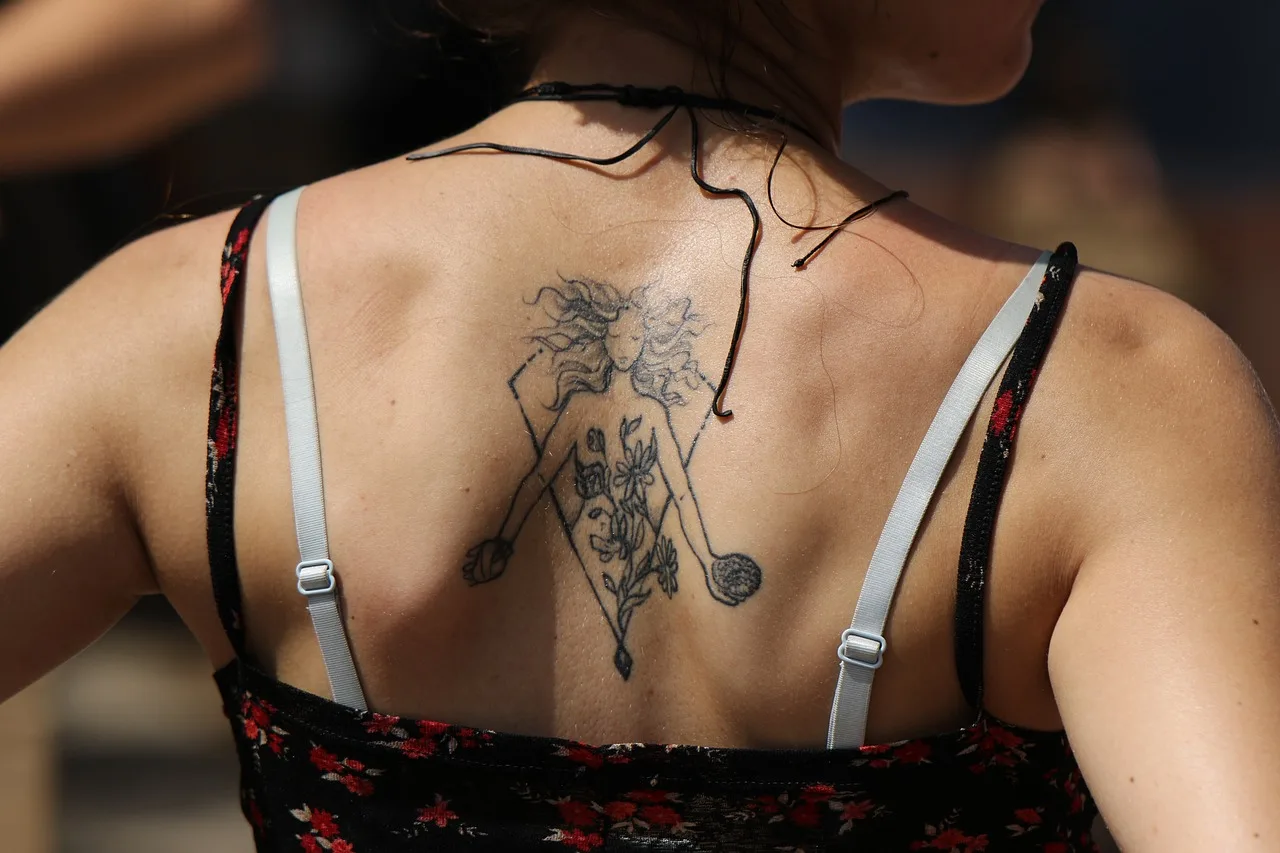
Graphic-style tattoos — bold lines, high-contrast black and gray, geometric and illustrative motifs — are striking and long-lasting when done well. This guide covers the full life cycle of a graphics tattoo in Omsk: choosing an artist and studio, the application process, safe aftercare, common corrections, and professional removal options. Where useful, local considerations for Omsk’s climate and regulations are highlighted. Always consult licensed professionals for medical or legal advice.
1. Choosing an Artist and Studio in Omsk
— Look for a strong portfolio of *graphics-style work* (clean lines, consistent fills, crisp black).
— Check reviews and ask for references; visit studios in person.
— Verify hygiene and legal compliance:
— Instruments should be single-use or sterilized in an autoclave.
— Artists should use disposable needles and pigment caps, gloves, fresh ink.
— Ask about the studio’s registration and compliance with Rospotrebnadzor or local sanitary rules (ask to see certificates if needed).
— Communication: a good artist will discuss design, size, placement, skin type, and expectations for longevity and fading.
2. Pre-Procedure Preparation
— Health check: disclose medications, skin conditions (eczema, psoriasis), allergies, recent sunburns, or blood-thinning drugs.
— Avoid alcohol and aspirin 24–48 hours before the session (they increase bleeding).
— Hydrate and get a good night’s sleep; eat a meal before your appointment.
— For tattoos on limbs: consider climate — Omsk’s dry cold winters and hot summers affect skin hydration and healing. Plan sessions in seasons when you can protect the area from extreme cold or sun.
3. Application Techniques for Graphics Tattoos
— Stencil placement: critical for precise compositions; confirm placement in several poses and lighting conditions.
— Linework:
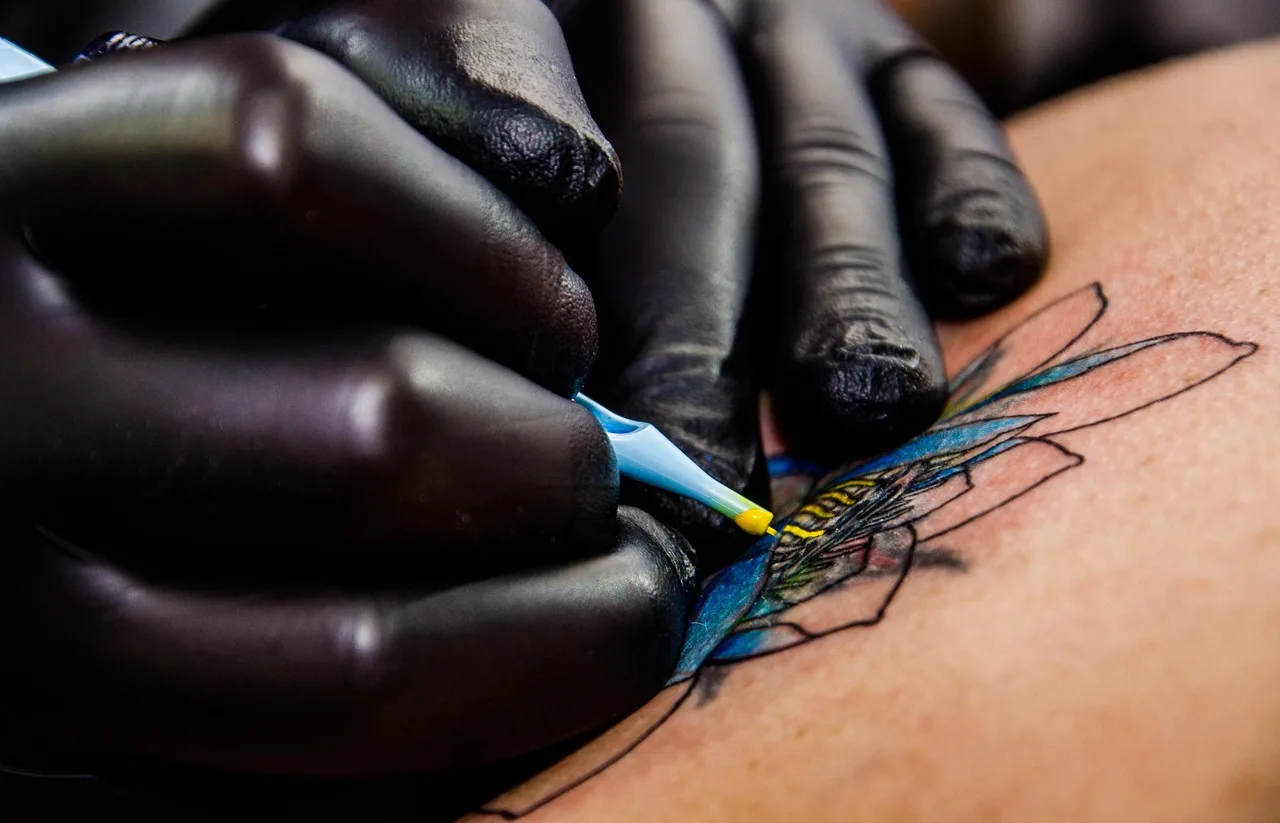
— Use fine liners for crisp outlines; consistent hand speed and needle depth produce even lines.
— Proper machine setup and needle grouping ensure consistent line width.
— Shading and fills:
— High-contrast tattoos often rely on saturated black fills and smooth shading gradients.
— Layering: multiple passes for dense blacks (done carefully to avoid trauma).
— Color choices:
— Pure black ages best; colored inks fade differently. For graphics style, limited palette or black+gray is common.
— Pain management: artists may use topical numbing (if appropriately licensed). Discuss before the session.
— Session length:
— Large, detailed graphics tattoos may require multiple sessions spaced 6–8 weeks apart.
— Touch-ups are normal after full healing.
4. Immediate Aftercare (First 24–72 hours)
— Follow the artist’s instructions — these vary slightly by technique and studio.
— Typical routine:
— Bandage: the artist usually covers the fresh tattoo for a few hours. Keep it on as instructed.
— First wash: gently wash with lukewarm water and mild, fragrance-free soap (pat dry with clean towel).
— Apply a thin layer of recommended ointment or cream (ask your artist; common options in Russia include Bepanthen/Бепантен or a specialist tattoo aftercare product).
— Avoid:
— Scratching, picking, or peeling scabs.
— Immersion in baths, pools, saunas, or open water for 2–3 weeks.
— Direct sun exposure and tanning until fully healed.
5. Ongoing Healing (Days 3–28)
— Typical timeline:
— Days 1–7: redness, mild swelling, oozing of plasma. Scabbing begins.
— Days 7–14: flaking and itching as skin regenerates.
— Weeks 4–12: deeper layers settle; color and lines clarify.
— Moisturize with a fragrance-free lotion; don’t over-apply.
— Use Miramistin (Мирамистин) or a gentle antiseptic if recommended by your artist or doctor — avoid harsh alcohol-based disinfectants that dry the skin.
— Protect from sun: use SPF 30–50 on healed tattoos; cover with clothing during initial healing.
6. Long-Term Care to Preserve Graphic Tattoos
— Sun protection: UV light causes fading and blurring. Apply sunscreen or keep tattoos covered.
— Skin health: moisturize regularly to preserve contrast and crisp edges.
— Lifestyle: avoid prolonged friction from clothing, straps, or repetitive motion that can blur lines over time.
— Touch-ups: expect to refresh bold blacks and fine lines every few years, especially in high-movement areas.
7. Correction and Cover-Ups
— Common reasons for correction:
— Uneven lines, patchy fills, poor placement, or aging blur.
— Touch-ups:
— Performed after full healing (usually 6–12 weeks).
— Fixes include retracing lines, deepening blacks, and evening fills.
— Cover-ups:
— Feasible for many graphic tattoos but require careful design work: heavier, denser elements and darker tones often needed to conceal the original.
— A skilled artist will evaluate the existing tattoo’s color, saturation, and scarring to propose a plan.
— Color correction:
— Lightening or neutralizing unwanted hues may require laser pre-treatment or specific pigment choices.
— Scarring:
— If the original artist went too deep and caused keloid or hypertrophic scarring, consult a dermatologist before any rework.
8. Removal Options in Omsk
— Full removal may be desired for personal or professional reasons. Options:
— Laser removal (Q-switched, picosecond, Nd:YAG, Alexandrite): the most common and effective. Black ink responds best; colored inks vary.
— Sessions typically spaced 6–8 weeks.
— Total sessions often range from 4 to 12+, depending on size, ink density, colors, and skin type.
— Risks include hypo/hyperpigmentation, scarring, incomplete removal.
— Surgical excision: possible for small tattoos; involves cutting out the skin and stitching — leaves a linear scar.
— Dermabrasion