Introduction
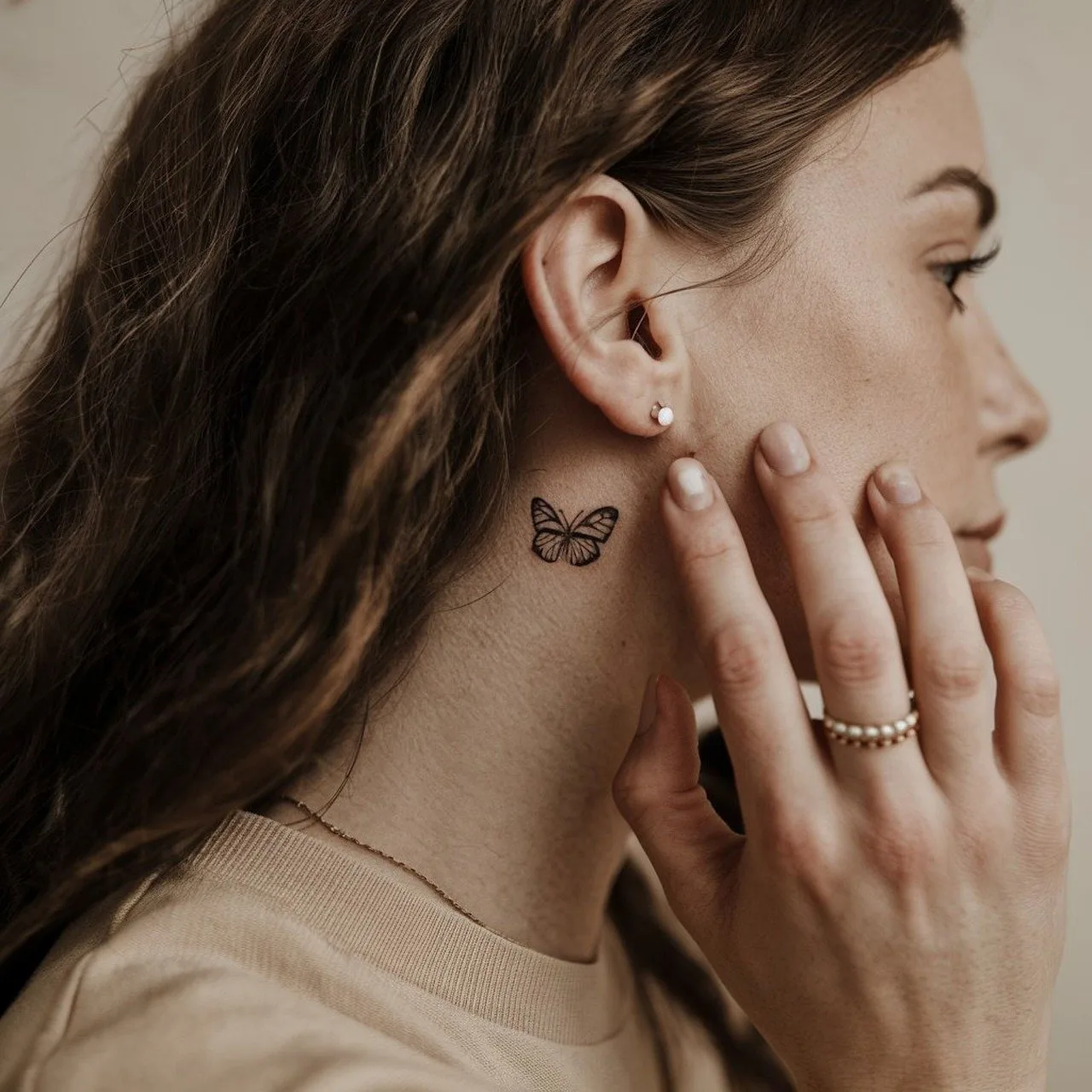
Graphics-style tattoos (linework, dotwork, geometric, blackwork, and illustrative black-and-gray) are extremely popular in Omsk and across Russia. Their clean contrasts and reliance on precise technique make every stage—planning, execution, healing, correction and possible removal—especially important. This guide walks you through the complete life cycle with practical, local-minded advice: what to ask, how to care, how corrections work, and how removal options compare.
Before you get inked: safety and preparation
— Age and consent: Russian studios generally require you to be 18+ and to sign consent forms. Bring ID.
— Choose a reputable studio:
— Check portfolios for steady linework and healed-photo examples.
— Confirm visible hygiene: clean workspaces, single-use needles, sealed ink caps, autoclave for reusable tools.
— Ask about licenses and sanitary compliance (Rospotrebnadzor standards apply in Russia).
— Read client reviews and ask for healed photos (not only fresh tattoos).
— Health considerations:
— Disclose allergies, skin conditions (eczema, psoriasis), diabetes, keloid tendency, or medications (e.g., blood thinners).
— If you have immune or skin issues, consult a dermatologist first.
— Patch test and pigments:
— Ask about ink brands and compositions. Many artists use certified pigments; avoid unknown homemade mixes.
— If you have sensitive skin, request a small pigment patch test.
— Consultation and design:
— For graphics styles, precise stencils are essential. Discuss line thickness, spacing, negative space and how the design will age on your skin type and placement.
— Consider body curvature: what looks crisp on paper may distort on joints or rounded areas.
Application techniques for graphics-style tattoos
— Tools and setup:
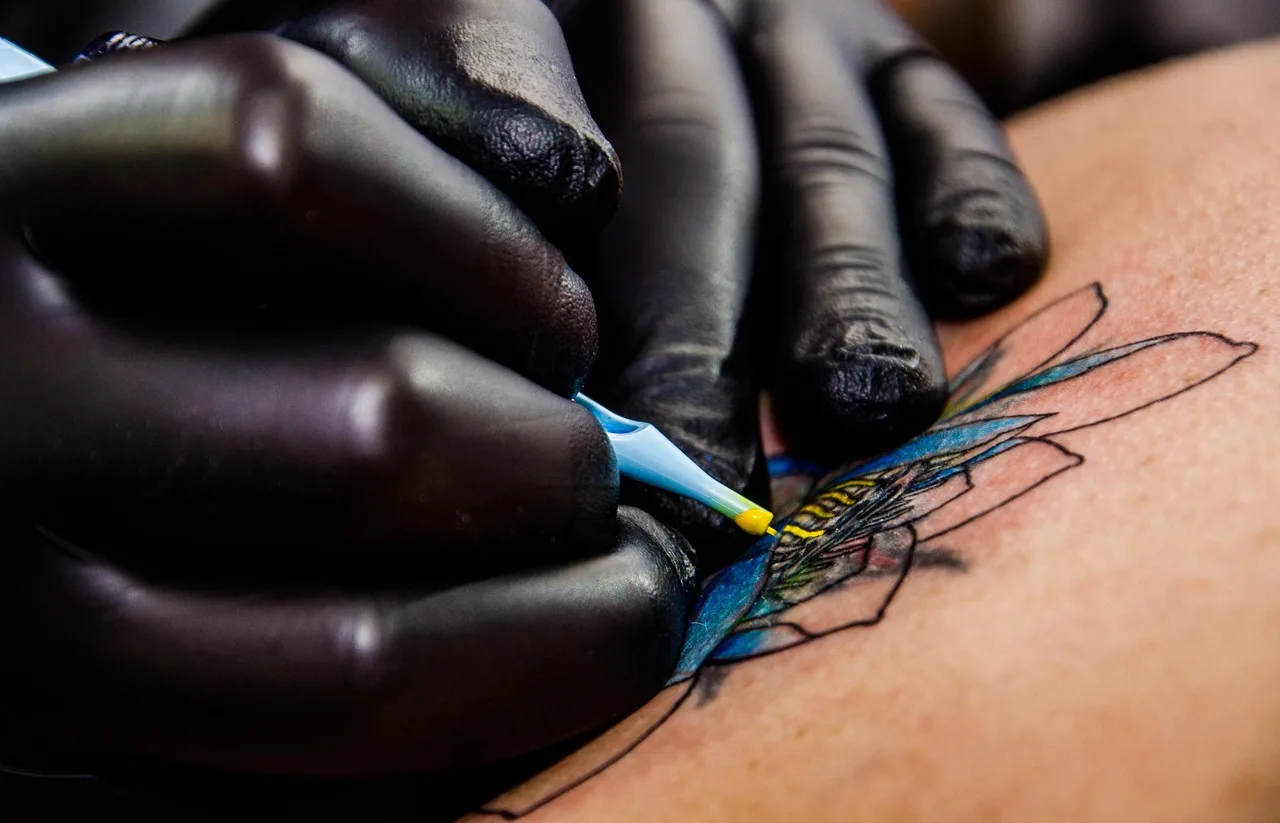
— Modern rotary or coil machines, single-use needles and cartridges, disposable gloves, and sterile transfers are standard. Verify single-use items are opened in front of you.
— Skin prep:
— Hair removal with a single-use razor, degreasing (alcohol or chlorhexidine), and placement of a crisp stencil.
— Lining vs. shading:
— Graphics tattoos rely on clean, consistent lining and controlled black fills/dotwork. Artists will typically:
— Use single or small-config needles for crisp lines.
— Use magnum or round shader needles for fills and smooth graywash shading.
— Employ dotwork techniques (stippling) for gradients—this heals differently than packed shading.
— Layering and session planning:
— Complex pieces may require multiple sessions. Expect lines first, then fills and finishing passes after initial healing to refine edges.
— Comfort and topical anesthetics:
— Some studios offer topical numbing; discuss effects with your artist. Numbing may slightly alter skin response, so professionals balance pain relief with optimal healing.
Immediate aftercare (first 0–2 weeks)
— First minutes/hours:
— Artist typically covers the tattoo with a sterile bandage or specialized film. Leave as instructed (commonly 1–6 hours) unless told otherwise.
— Cleaning:
— Wash hands first. Remove the bandage, rinse gently with lukewarm water and mild, fragrance-free soap (or Miramistin/Chlorhexidine for the first wash if recommended). Pat dry with a clean towel or allow to air dry.
— Moisturizing and protection:
— Apply a thin layer of recommended ointment/cream (common local options: Bepanthen/Panthenol, specialized tattoo balms). Avoid petroleum-based occlusives long-term—follow your artist’s specific product advice.
— Repeat cleaning and light moisturizing 2–3 times daily for the first week.
— What to avoid:
— Do not scratch, pick scabs, or peel flaking skin.
— Avoid soaking (baths, pools, saunas) and heavy sweating for at least 2 weeks.
— Avoid direct sun exposure; fresh tattoos burn easily.
— Typical healing timeline:
— Days 1–3: redness, light swelling and oozing of plasma;
— Days 4–10: scabbing and itching as skin flakes;
— Weeks 2–6: color settles, superficial layers heal—complete epidermal healing usually by 3–4 weeks; deeper settling by 2–3 months.
Long-term care (months to years)
— Sun protection:
— Always protect graphics tattoos with broad-spectrum SPF 30–50 when exposed. UV fades black and gray pigments—especially critical in summer cycling in Omsk.
— Moisturize:
— Keep skin nourished with fragrance-free lotion to maintain contrast and prevent dryness.
— Touch-ups:
— Expect natural fading; schedule a touch-up 2–4 months after completion if lines have broken or fills are uneven.
Recognizing problems and when to seek help
— Signs of normal healing: redness, light swelling, scabbing, mild itch.
— Red flags (contact doctor or clinic immediately):
— Increasing pain, spreading redness, fever, pus, red streaks, or pronounced swelling—possible infection.
— Severe allergic reaction: widespread rash, swelling of face or breathing difficulty—seek emergency help.
— Persistent keloid or hypertrophic scarring tendency—see a dermatologist.
Corrections and cover-ups
— When to correct:
— Wait until the tattoo is fully healed (typically 2–4 months) before deciding on corrections or touch-ups.
— Touch-ups:
— Small line fixes, re-saturation of black, and crisping edges are common and best done by the original artist or a specialist in graphics pieces.
— Cover-ups:
— Graphics tattoos can be covered by larger designs, but effective cover-ups require planning:
— Dark inks are harder to cover—designs use