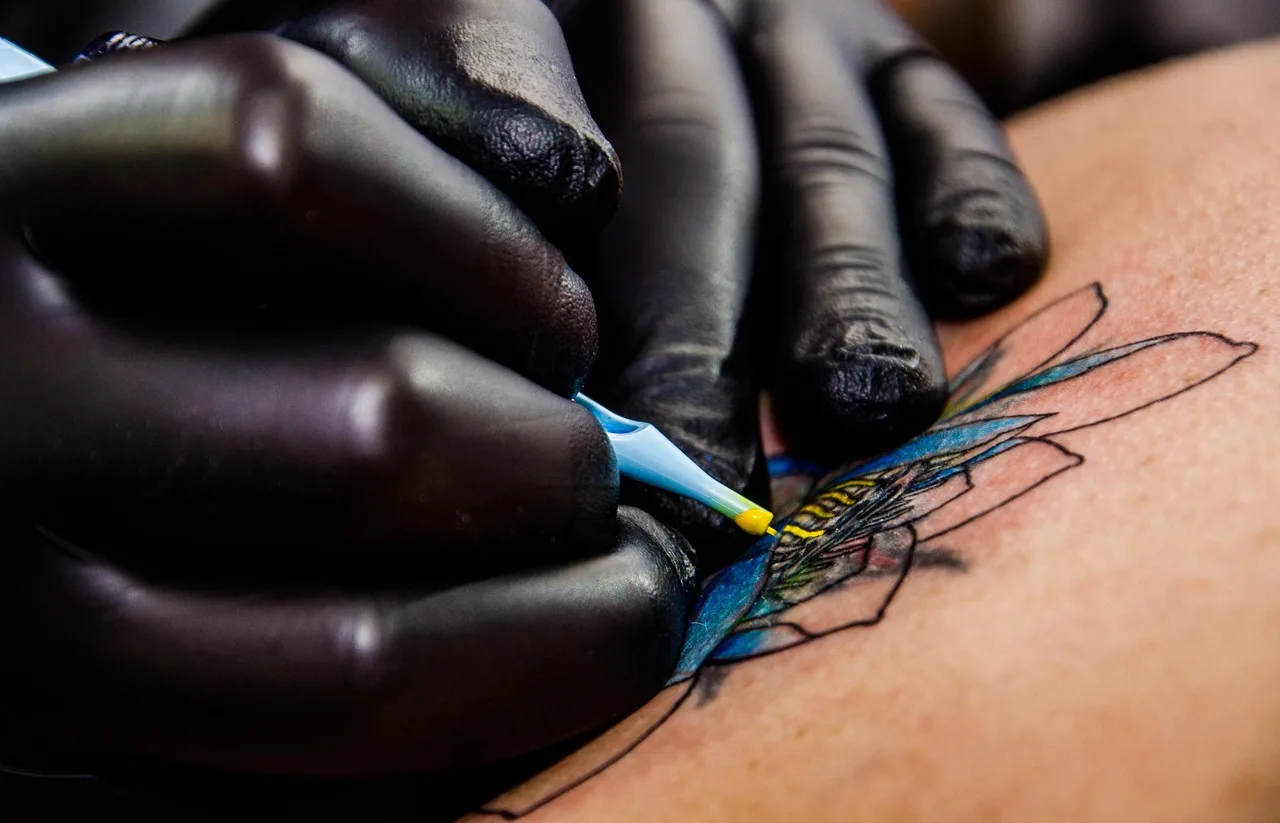
Introduction
— Graphics-style tattoos (bold blackwork, geometric, high-contrast illustrative pieces) rely on crisp lines, saturated blacks, negative space and precise geometry. Their aesthetic longevity depends as much on technique and aftercare as on initial design.
— This guide outlines the full lifecycle of a graphics tattoo with practical, Omsk-specific advice: how to choose a studio, safe application, seasonal care, correction/touch-ups and removal options.
1. Choosing a Studio and Artist in Omsk
— Portfolio: Look for recent examples of graphics/blackwork in the artist’s portfolio. Crisp lines, solid fills and consistent negative space are indicators of skill.
— Hygiene & licensing: Confirm the studio follows sanitary rules and displays certificates required by Russian sanitary authorities (Rospotrebnadzor). Artists should use single-use needles/cartridges, sterilized reusable tools, and wear gloves and masks.
— Consultations: Good studios offer a face-to-face consult, digital mockups and clear pricing. They should ask about medical history and obtain written consent.
— Reviews & referrals: Check local reviews, social media, and ask other clients about healing outcomes, especially in Omsk’s climate.
— Age/consent: Most reputable studios in Russia require clients to be 18. If underage, expect strict rules and parental consent requirements.
2. Design & Application Techniques for Graphics-Style Tattoos
— Design planning: Start with a clear vector or high-resolution stencil. Graphics tattoos depend on clean stencil transfer and precise placement.
— Stencil & placement: Use mirrored/transferred stencils, check placement on the body in different positions (standing, moving).
— Needle choice & machine settings:
— Liners (tight groupings) for crisp outlines.
— Round shaders/flat magnums for solid fills and smooth black saturation.
— Dotwork/stacked needles for gradients and texture.
— Lower needle speed and controlled depth help avoid blowouts (ink spreading under the skin) — particularly important in thin-skinned areas.
— Layering: Build solid blacks in controlled passes rather than aggressively overworking the skin in one go.
— Skin stretching & ergonomics: Properly stretch skin to ensure even line depth and consistent saturation.
— Session planning: Large pieces may require multiple sessions spaced 6–8+ weeks apart to allow healing and accurate color saturation.
3. Safety & Health Considerations
— Sterility: Insist on single-use needles, caps and ink cups, and visible autoclave logs or single-use sterile equipment for reusable metal tools.
— Inks: Use reputable ink brands. Ask about pigment composition if you have sensitivities or plan future laser removal (some pigments react poorly to lasers).
— Health screening: Inform the artist about:
— Pregnancy or breastfeeding (tattooing usually discouraged)
— Blood-thinning medications (aspirin, some herbal supplements)
— Skin conditions (eczema, psoriasis, keloid tendency)
— Chronic illnesses (diabetes, autoimmune)
— Patch test: If you have a history of allergies, request a patch test for inks.
— Bloodborne pathogens: The studio should follow universal precautions and have waste disposal procedures.
4. Immediate Aftercare (first 48–72 hours)
— Bandaging: Many artists use a breathable, sterile bandage for the first 2–6 hours (or up to 24 hours if using adhesive film). Follow your artist’s instructions.
— Cleaning routine:
— Wash hands before touching tattoo.
— Gently cleanse with lukewarm water and a mild, fragrance-free antibacterial soap (no scrubbing).
— Pat dry with clean paper towel—do not rub.
— Apply a thin layer of recommended ointment/cream (panthenol-based like Bepanthen or a tattoo-specific balm) for first days, then switch to a light, fragrance-free moisturizer.
— Frequency: Clean 2–3 times daily for first week; keep moisturized but not greasy.
— Clothing: Wear loose, breathable clothes to avoid friction. In Omsk, consider breathable fabrics even in colder months to avoid overheating the area under heavy layers.
— What to avoid:
— No swimming in pools, rivers (Irtysh) or baths for at least 2

