Introduction
————
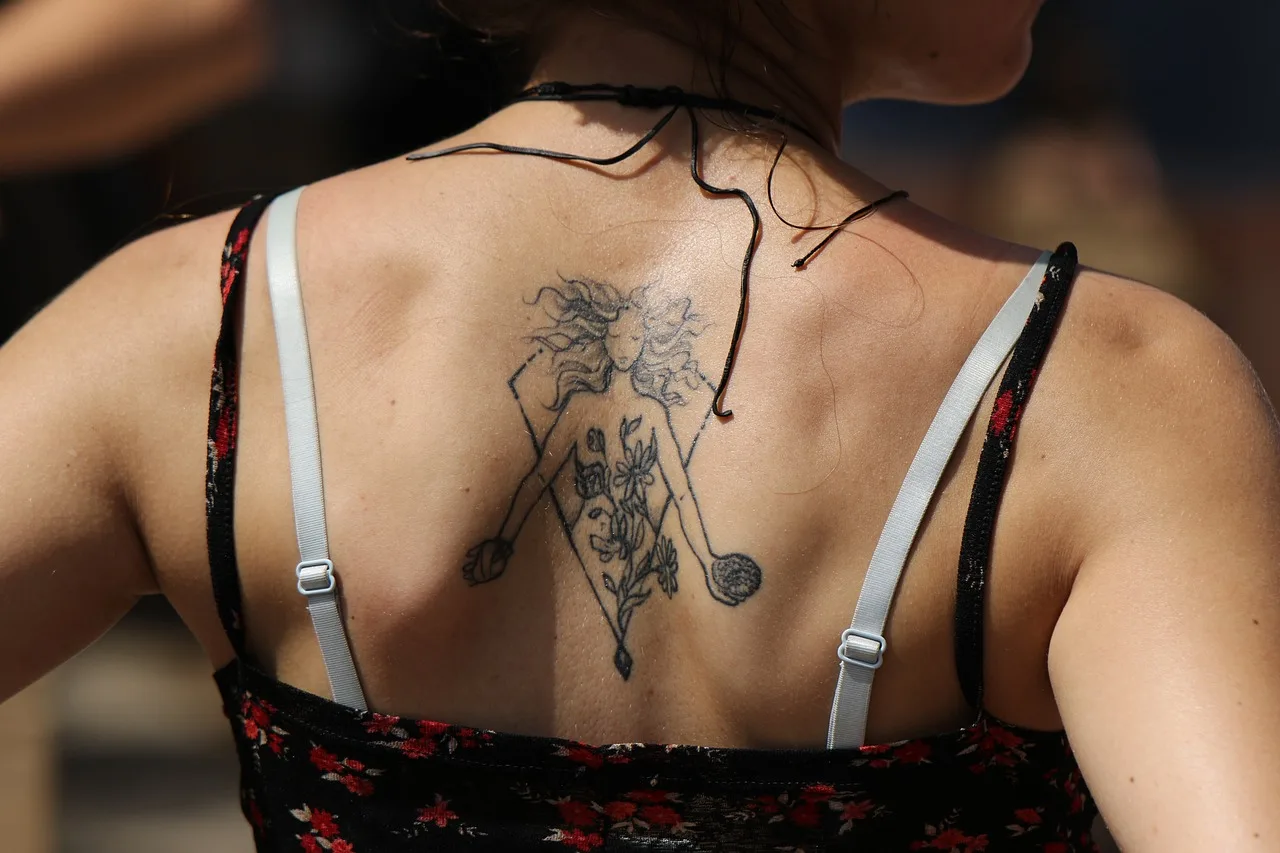
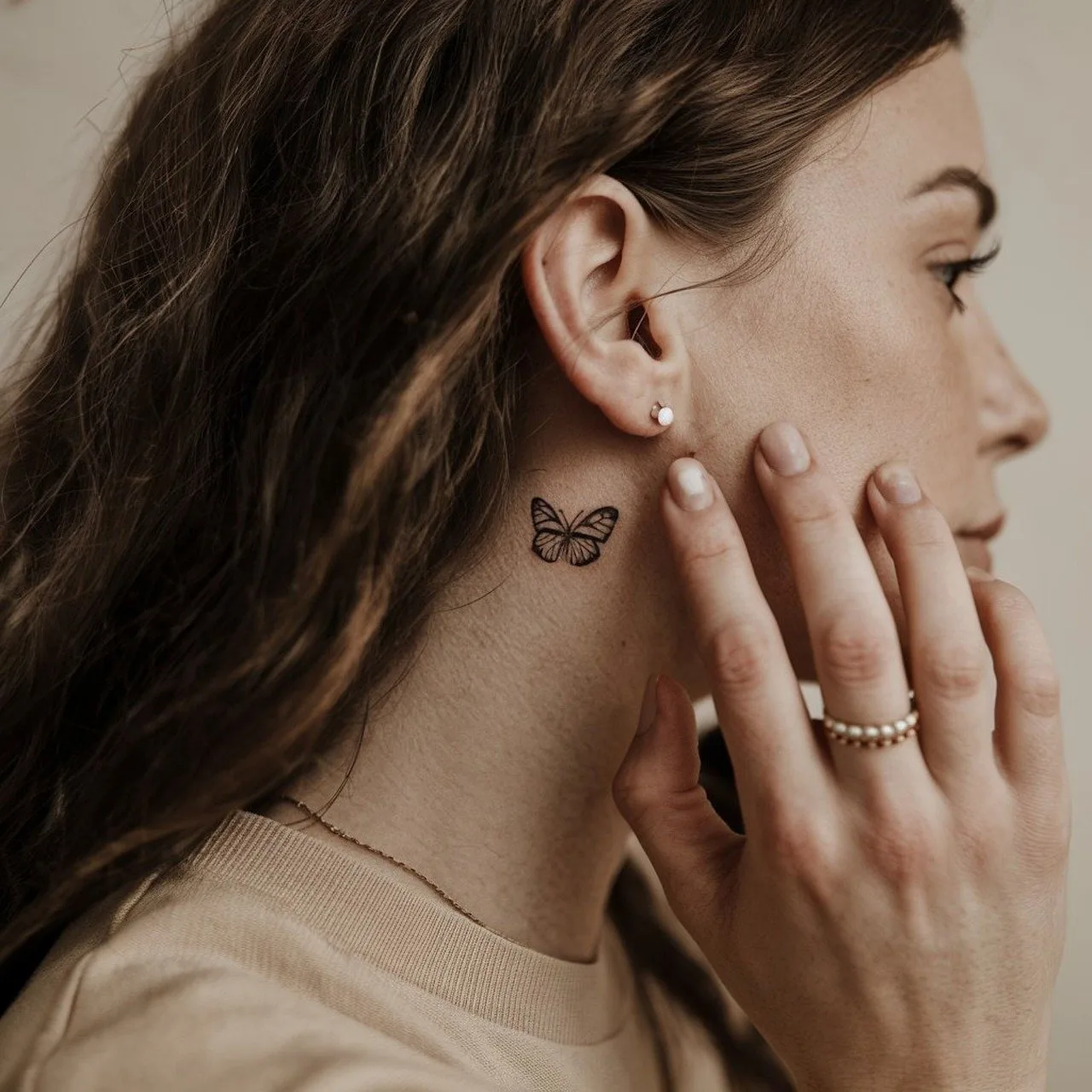
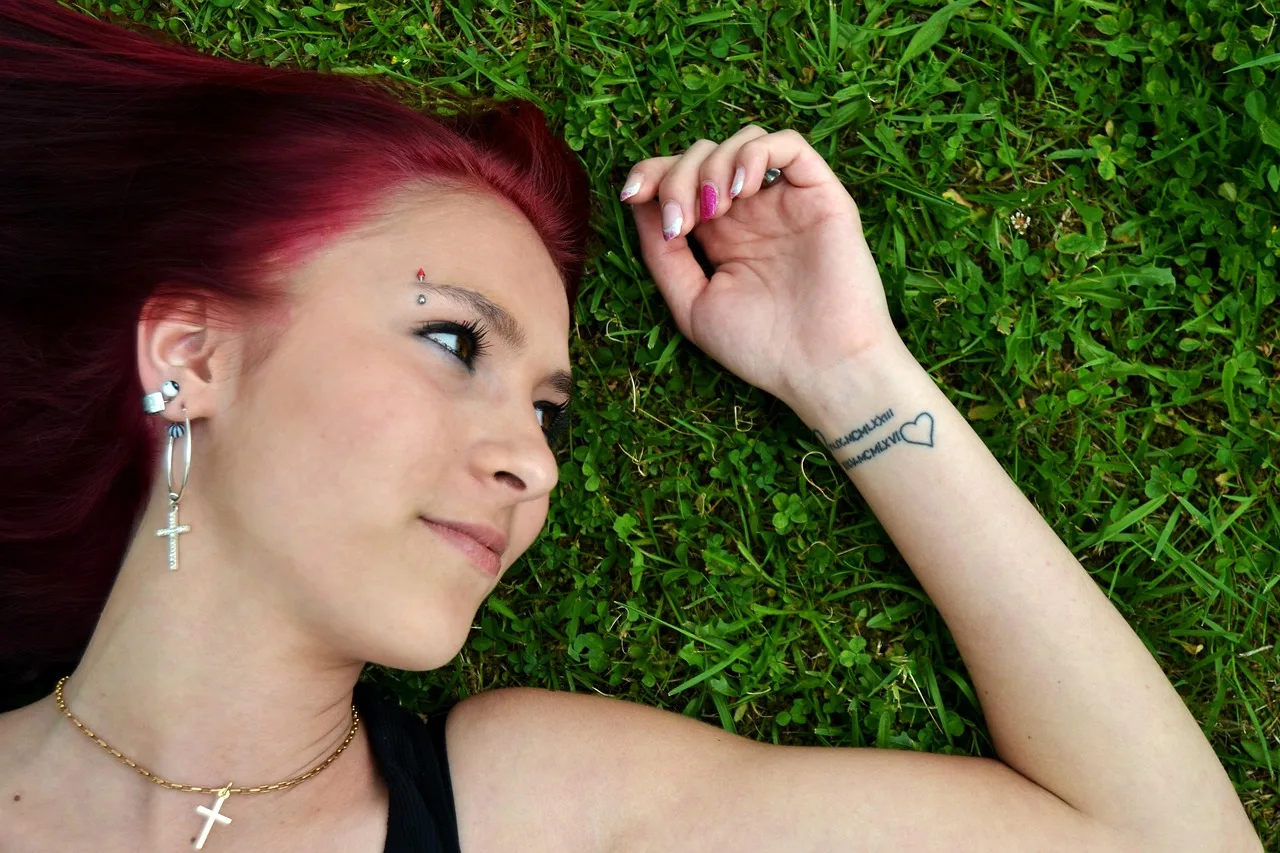
A graphics-style tattoo—clear black lines, stark contrasts, geometric fills, dotwork or illustrative blackwork—can be striking and long-lasting when done correctly. This article walks you through the full life cycle of such a tattoo: choosing a studio and artist, safe application techniques, immediate and long-term care, options for correction or cover-up, and removal choices. Where relevant, I include Omsk-specific considerations (climate, local checks to ask for, and how to find qualified professionals).
Before you book: choosing studio and artist
——————————————
— Verify hygiene and legality:
— Look for visible sterilization practices, single-use needles, and sealed pigment disposables.
— Ask for sanitary documentation or certification (in Russia: ask whether they follow local sanitary rules / SanPiN requirements and request proof of sterilizer maintenance).
— Confirm the artist’s portfolio with examples of graphics/blackwork tattoos and healed photos.
— Health and safety conversations:
— Disclose medical history (skin conditions, keloids, blood thinners, autoimmune disease, pregnancy).
— Ask about patch testing for pigment allergies if you have sensitive skin or prior reactions.
— Ensure the artist uses gloves, barriers (machine covers), and sterile trays.
— Questions to ask in Omsk (useful Russian phrases):
— “Есть ли у вас документы по санитарии и обработке инструментов?” (Do you have sanitary and instrument-processing documents?)
— “Можно посмотреть портфолио с зажившими работами?” (May I see a portfolio with healed work?)
— “Проводите ли вы тест на аллергию?” (Do you perform allergy tests?)
Day of appointment: application and technique
———————————————
— Preparation:
— Arrive well-hydrated and rested; eat beforehand; avoid alcohol and blood-thinning medications unless cleared by a doctor.
— Wear clothing that gives the artist clear access to the area and that you don’t mind staining.
— Tools and pigments:
— Graphics tattoos typically use high-quality black inks and sometimes greywash blends for shading. Confirm ink brands if you’re concerned about safety.
— Machines: many artists prefer rotary machines for smooth linework, though coil machines are also used. Needle groupings differ for lining vs filling—expect liners and tight magnums for fills/dotwork.
— Technique:
— Crisp blackwork depends on steady line depth and controlled needle speed; an experienced artist will plan line weight, negative space, and contrast to avoid future blowout or patchy fills.
— Pain management:
— Topical numbing creams exist, but discuss with your artist (some prefer natural pain management). If you have questions about topical anesthetics, consult a physician.
Immediate aftercare (first 48–72 hours)
—————————————
— The first day:
— Follow the studio’s protocol—many use a breathable film or sterile bandage directly after tattooing. Keep it on for the time recommended (commonly a few hours to 24 hours).
— Cleaning:
— After removing the initial dressing, gently wash the area with lukewarm water and a mild, fragrance-free antibacterial or unscented soap. Pat dry with a clean towel—no rubbing.
— Moisturizing:
— Apply a thin layer of recommended ointment (studio-recommended or a bland product like a water-based or petroleum-free barrier) 2–3 times daily. Avoid over-application—too much can suffocate the skin and increase scabbing.
— Avoid:
— Do not pick, scratch, or peel scabs. Don’t submerge the tattoo in pools, baths, or open water for at least 2 weeks.
— Keep away from direct sun exposure while the skin is open.
Continued healing (2–8 weeks)
——————————
— Expect stages:
— Scabbing and flaking for roughly 1–2 weeks, then a period where the skin looks dull before full pigment settling.
— Care routine:
— Continue gentle cleansing and apply a fragrance-free moisturizer as the tattoo dries.
— Avoid intense friction (tight clothing) and heavy exercise that causes excessive sweating over the site during the first 1–2 weeks.
— When to see a professional:
— If you notice excessive redness, pus, spreading heat, rising fever, or signs of infection—contact a healthcare provider or the studio for advice.
Long-term maintenance
———————
— Sun protection:
— After healing, use broad-spectrum sunscreen (SPF 30+) to prevent blackwork from fading or yellowing.
— Skin care:
— Keep the area moisturized to maintain crisp edges and reduce